

Can Walking Really Help You Lose Weight?
If you’re looking for a simple, affordable, and effective way to lose weight without spending hours at the gym, walking for weight loss might be exactly what you need.
Walking is one of the most accessible forms of exercise. It requires no expensive equipment, complicated workout routines, or gym membership. All you need is a comfortable pair of shoes, a little motivation, and a willingness to stay consistent.
Whether you’re trying to lose belly fat, improve your fitness, increase your daily activity, or build healthier habits, walking can play an important role in your weight loss journey.
The best part? You don’t have to walk for hours every day to start experiencing benefits.
Even a 20- to 30-minute daily walk can help improve cardiovascular health, increase energy expenditure, and support long-term weight management when combined with healthy eating habits.
In this complete guide, you’ll discover how walking helps with weight loss, how many calories it burns, how long you should walk, and how to follow a beginner-friendly 30-day walking plan.
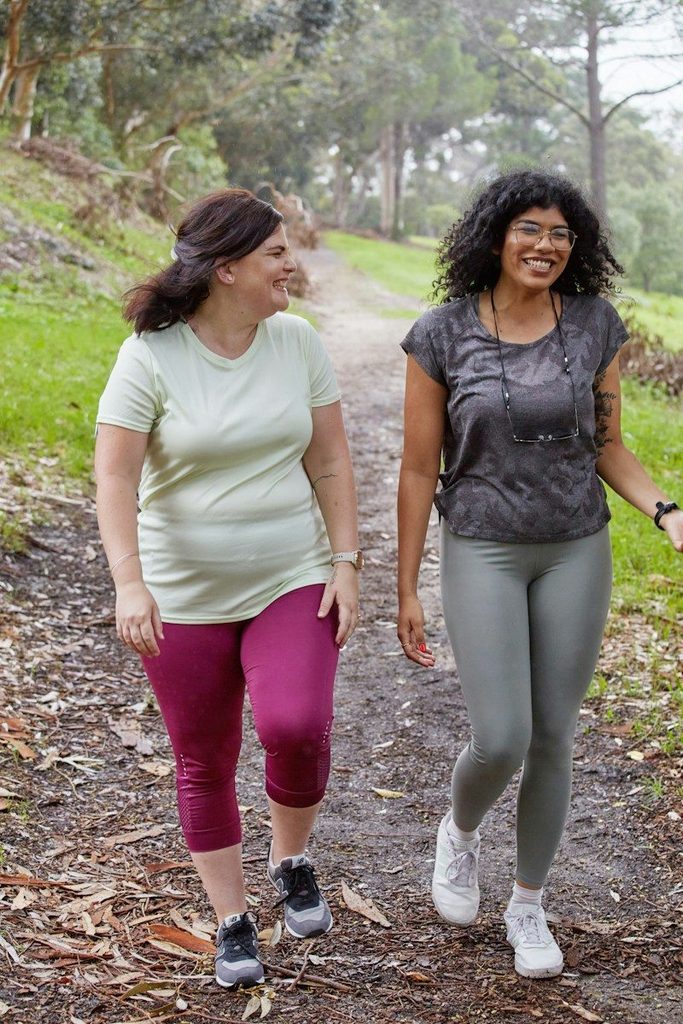
How Does Walking for Weight Loss Work?
Walking supports weight loss primarily by increasing the number of calories your body burns throughout the day.
Your body uses energy for essential functions such as breathing, digestion, circulation, and maintaining body temperature. It also burns additional calories whenever you move.
When you walk, your muscles require energy to keep your body moving. The longer or more intensely you walk, the more energy you generally use.
Weight loss occurs over time when your average calorie intake is lower than your calorie expenditure. This is called a calorie deficit.
For example, if walking helps you burn an additional 150 calories daily and you don’t compensate by eating more, it can contribute to a calorie deficit over time.
However, weight loss is not always predictable. Your metabolism, body size, eating habits, sleep, medications, and overall activity level can influence your results.
Why walking is ideal for beginners
Unlike some high-intensity exercises, walking is relatively low impact and easy to adjust to your current fitness level.
Its benefits include:
-
Increasing daily calorie expenditure.
-
Improving cardiovascular endurance.
-
Supporting blood sugar management.
-
Helping reduce stress.
-
Improving mood and mental well-being.
-
Strengthening muscles and bones.
-
Supporting better sleep.
-
Making regular physical activity easier to maintain.
Most importantly, walking is an activity you can continue for years, making it a practical choice for sustainable weight management.
How Many Calories Can You Burn Walking?
One of the most common questions about walking for weight loss is how many calories it actually burns.
The answer depends on several factors, including your body weight, walking speed, terrain, fitness level, and duration.
The following table provides approximate total calories burned while walking on level ground at a moderate pace of around 3 mph (4.8 km/h).
| Body Weight | 30 Minutes | 60 Minutes |
|---|---|---|
| 120 lbs (54 kg) | 105 | 210 |
| 150 lbs (68 kg) | 130 | 260 |
| 180 lbs (82 kg) | 155 | 310 |
| 200 lbs (91 kg) | 175 | 350 |
| 250 lbs (113 kg) | 215 | 430 |
Estimates based on a moderate walking intensity of approximately 3.5 METs. Actual calorie expenditure varies, and these figures include energy your body would expend at rest.
How to burn more calories while walking
If you want to increase your calorie expenditure without running, consider these strategies:
-
Walk at a slightly faster pace.
-
Include gentle hills or inclines.
-
Gradually increase your walking duration.
-
Take short walking breaks throughout the day.
-
Walk on varied terrain when safe.
-
Maintain a consistent weekly walking schedule.
You don’t need to make every walk intense. Regular, manageable walking sessions are often more sustainable than occasional exhausting workouts.
How Long Should You Walk Every Day to Lose Weight?
The ideal walking duration depends on your fitness level, schedule, and weight loss goals.
For general health, adults are encouraged to aim for at least 150 minutes of moderate-intensity aerobic activity per week, along with muscle-strengthening activities at least twice weekly.
For additional health benefits and weight management, some people may benefit from gradually increasing their activity toward 300 minutes per week.
Here is a simple guide:
15–20
min/day
Complete beginners
Start building a consistent walking habit at a comfortable pace.
30
min/day
Developing fitness
Build endurance and work toward a moderate, brisk pace.
45–60
min/day
Experienced walkers
Increase activity gradually if recovery, health, and your schedule allow.
You can divide your walking into shorter sessions. Three 10-minute walks throughout the day can be an excellent alternative to one continuous 30-minute walk.
Consistency matters more than completing every session perfectly.
Walking for Belly Fat: Does It Really Work?
Many people begin walking because they want to lose stubborn belly fat.
The encouraging news is that regular walking can help reduce overall body fat, including abdominal fat, when combined with a sustainable calorie deficit.
However, there is an important fact to understand: you cannot choose exactly where your body loses fat.
Walking does not specifically burn fat from your stomach. Instead, it contributes to overall energy expenditure, which may help your body gradually reduce stored fat.
Where you lose fat first depends partly on genetics, hormones, age, and other individual factors.
Tips to support abdominal fat loss
Focus on habits that support overall fat reduction:
-
Walk regularly at a moderate intensity.
-
Eat balanced meals with sufficient protein and fiber.
-
Limit frequent consumption of sugary drinks.
-
Include resistance training twice a week.
-
Get adequate sleep.
-
Manage stress where possible.
-
Track progress using more than just the scale.
You may notice changes in your waist measurement or how your clothes fit even when your weight changes slowly.
The Best Walking Technique for Weight Loss
Maintain good posture
Keep your head upright, look forward, and relax your shoulders.
Avoid leaning excessively forward or staring down at your phone while walking.
Swing your arms naturally
Bend your elbows comfortably and allow your arms to move forward and backward.
Avoid crossing your arms excessively in front of your body.
Take comfortable steps
You don’t need exaggerated strides to walk faster.
Instead, gradually increase your cadence, or number of steps per minute, while maintaining a natural stride.
Walk at a moderate intensity
A brisk walking pace generally makes you breathe faster while still allowing you to speak in full sentences.
This is often called the talk test.
If you can sing easily, you may be walking at a light intensity. If you can only say a few words before needing a breath, you may be exercising vigorously.
For most beginners, a moderate pace is a good starting point.
A 30-Day Walking for Weight Loss Plan for Beginners
Following a structured walking plan can help you stay motivated and gradually improve your endurance.
This 30-day plan starts with manageable sessions and progressively increases your walking time.
Your 30-day walking challenge
0 of 30 days completed
0%
Week 1
Build the habit
Week 2
Increase endurance
Week 3
Walk more briskly
Week 4
Build consistency
Final two days
Tap each day to track your progress. Rest days count toward completing the challenge. Walking times are targets, not requirements; reduce them if necessary.Reset challenge
How to follow this walking plan
During the first week, focus on completing your walks rather than increasing speed.
In the second week, gradually extend your walking time while maintaining a comfortable pace.
During the third week, try adding short periods of brisk walking, such as two minutes at a faster pace followed by three minutes at your usual pace.
In the fourth week, aim for a consistent moderate pace during most sessions.
Days 29 and 30 help you finish the challenge with two longer walks.
If the schedule feels too difficult, repeat an earlier week. If you are already active, you may begin with a longer walking duration.
The goal is steady progress, not exhaustion.
Is Walking 10,000 Steps a Day Necessary for Weight Loss?
The popular 10,000-step goal can be motivating, but it is not a magic number.
You can improve your health and support weight management with fewer than 10,000 daily steps.
Your ideal target depends on how active you are currently.
For example, someone averaging 3,000 steps daily may benefit from gradually increasing to 4,000 or 5,000 steps before aiming higher.
A practical approach is to track your normal step count for several days, then gradually add around 500 to 1,000 steps per day as tolerated.
Sample daily step goals
| Fitness Level | Example Daily Target |
|---|---|
| Very inactive beginner | 3,000–4,000 steps |
| Building a walking habit | 4,000–6,000 steps |
| Moderately active | 6,000–8,000 steps |
| More active walker | 8,000–10,000+ steps |
These are flexible activity goals, not scientifically required thresholds for weight loss.
Remember that walking speed, duration, and consistency also matter.
Best Time to Walk for Weight Loss: Morning or Evening?
The best time to walk is the time you can maintain consistently.
Morning and evening walks both provide health benefits, and neither has been proven universally superior for fat loss.
Morning walking benefits
A morning walk may help you establish a daily routine before work, family responsibilities, or other commitments interfere.
Walking outdoors in natural daylight can also support your body’s sleep-wake rhythm.
Evening walking benefits
Evening walks can provide an opportunity to unwind after a busy day.
A gentle walk after dinner may also help with post-meal blood sugar management.
Walking after meals
Short walks after breakfast, lunch, or dinner can be a convenient way to increase daily activity.
Try walking for 10 to 15 minutes after a meal if it feels comfortable.
The most effective schedule is the one that fits naturally into your lifestyle.
Walking Intervals for Faster Fitness Progress
Once regular walking becomes comfortable, interval walking can help you increase exercise intensity.
Interval walking involves alternating between faster and slower walking periods.
For example:
25-minute interval walking workout
Warm-up
5 minutes
Brisk walking
2 minutes × 5
Easy walking
1 minute × 5
Cool-down
5 minutes
Alternate two minutes brisk with one minute easy five times, between the warm-up and cool-down.
This workout can help improve cardiovascular fitness and increase exercise intensity without requiring running.
Start with shorter intervals if needed.
If you experience chest pain, dizziness, or unusual breathlessness, stop exercising and seek appropriate medical advice.
Healthy Eating Tips to Support Walking for Weight Loss
Eat enough protein
Protein supports muscle maintenance and helps many people feel satisfied after eating.
Good protein sources include eggs, chicken, fish, beans, lentils, tofu, and Greek yogurt.
Choose fiber-rich foods
Vegetables, fruits, whole grains, and legumes provide fiber, which supports digestive health and can help you feel fuller.
Stay hydrated
Drink water regularly throughout the day, especially when walking in warm or humid weather.
Your fluid needs depend on temperature, exercise duration, and individual factors.
Reduce sugary drinks
Soft drinks, sweetened coffees, and other sugary beverages can add calories without providing much fullness.
Replacing some of these drinks with water or unsweetened beverages may help reduce overall calorie intake.
Avoid rewarding every walk with extra food
Walking can increase appetite, but not everyone needs an additional snack after a short session.
Eat according to your hunger, nutritional needs, and overall meal plan.
A balanced approach is usually easier to maintain than strict restriction.
Common Walking for Weight Loss Mistakes to Avoid
Even though walking is simple, certain habits can limit your progress.
Mistake 1: Expecting immediate results. Weight loss takes time. Focus on several weeks of consistent activity rather than expecting dramatic changes after a few walks.
Mistake 2: Walking too fast too soon. Increasing intensity or duration too quickly may cause discomfort or overuse injuries. Build gradually.
Mistake 3: Ignoring nutrition. Exercise alone may not create a sufficient calorie deficit if calorie intake also increases.
Mistake 4: Skipping rest and recovery. Rest days help your body adapt to exercise. If you experience persistent soreness or fatigue, reduce your activity temporarily.
Mistake 5: Comparing yourself with others. Everyone responds differently to exercise. Your age, starting weight, health, and activity level influence your progress.
Mistake 6: Relying only on the scale. Body weight fluctuates because of hydration, digestion, and other factors. Track your energy, endurance, waist measurement, and consistency too.
How to Stay Motivated to Walk Every Day
Motivation naturally changes, so developing a routine is often more reliable than waiting until you feel inspired.
Start by setting achievable goals.
Instead of promising to walk 10,000 steps immediately, aim to complete a 15-minute walk five days this week.
Other helpful strategies include listening to podcasts, walking with a friend, exploring different routes, or using a fitness tracker.
You can also connect walking with an existing habit, such as taking a short walk after breakfast.
Keep your walking shoes somewhere visible as a reminder.
Celebrate progress that isn’t related to weight, such as walking farther without becoming tired or feeling more energetic throughout the day.
Over time, these small achievements can make walking feel like a natural part of your lifestyle.
How Much Weight Can You Lose by Walking for 30 Days?
Your results depend on your starting weight, walking routine, diet, and overall calorie balance.
For example, suppose walking increases your daily calorie expenditure by approximately 150 calories and you maintain the same food intake.
Over 30 days, that represents roughly 4,500 additional calories expended.
However, this does not translate into a guaranteed amount of weight loss. Your body can adapt, appetite can change, and actual calorie expenditure varies.
Some beginners may notice improvements in stamina and mood before seeing meaningful changes on the scale.
For those who need to lose weight, gradual weight loss is generally more sustainable than rapid changes.
A commonly recommended rate is around 1–2 pounds (0.45–0.9 kg) per week, although this is not an appropriate target for everyone and walking alone may produce slower results.
Avoid treating rapid weight loss as the main measure of success.
Walking Outdoors vs. Treadmill Walking for Weight Loss
Controlled speed, adjustable incline, and convenience during poor weather.
Outdoor walking can make exercise more enjoyable, especially when you have access to safe parks or walking trails.
Treadmill walking allows you to adjust your speed and incline precisely.
A treadmill incline can increase exercise intensity, although it is best to start with a flat surface and progress gradually.
Neither option is automatically better for weight loss.
Choose the one you enjoy and can perform regularly.
Frequently Asked Questions About Walking for Weight Loss
Can I lose weight by walking 30 minutes every day?
Yes, walking for 30 minutes daily can support weight loss by increasing calorie expenditure. However, actual weight loss depends on your overall calorie balance, eating habits, and individual circumstances.
Is walking better than running for weight loss?
Running generally burns more calories per minute, but walking is lower impact and may be easier to maintain consistently. Both can support weight loss.
Can walking reduce belly fat?
Walking may help reduce overall body fat, including abdominal fat, when combined with a calorie deficit. It cannot selectively target belly fat.
How many steps should I walk daily to lose weight?
There is no universal step requirement. Start with your current activity level and gradually increase your daily steps as your fitness improves.
Is walking 5 miles a day good for weight loss?
Walking five miles can substantially increase daily physical activity, but it may be too much for beginners. Build toward longer distances gradually and consider your recovery needs.
Can I lose weight by walking without dieting?
It’s possible if walking creates a sustained calorie deficit. However, combining walking with balanced eating habits generally makes weight management more achievable.
Should I walk every day or take rest days?
Gentle walking can be appropriate on most days, but rest and recovery are important. Take easier days or rest when you feel fatigued, sore, or unwell.
How soon will I see results from walking?
Some benefits, such as improved mood or energy, may occur relatively quickly. Changes in fitness, waist size, or body weight generally take longer and vary considerably between individuals.

Final Thoughts: Start Walking Toward a Healthier You
Walking for weight loss is one of the simplest ways to become more active, improve your fitness, and support sustainable weight management.
You don’t need expensive gym equipment or intense workouts to begin.
Start with 15 to 20 minutes of walking, gradually increase your duration, and work toward a brisk pace that feels manageable.
Combine your walking routine with balanced nutrition, adequate sleep, and strength training for a well-rounded fitness plan.
Remember that meaningful progress isn’t always measured by the number on the scale.
Improved stamina, better sleep, greater confidence, and increased daily energy are all valuable achievements.
Your first step doesn’t need to be perfect. It just needs to happen.
Start your walking journey today, stay consistent, and focus on building healthy habits you can maintain for the long term.
Health note: This article provides general educational information. If you have a heart condition, significant mobility limitations, or other medical concerns, seek individualized guidance before beginning a new exercise program.