
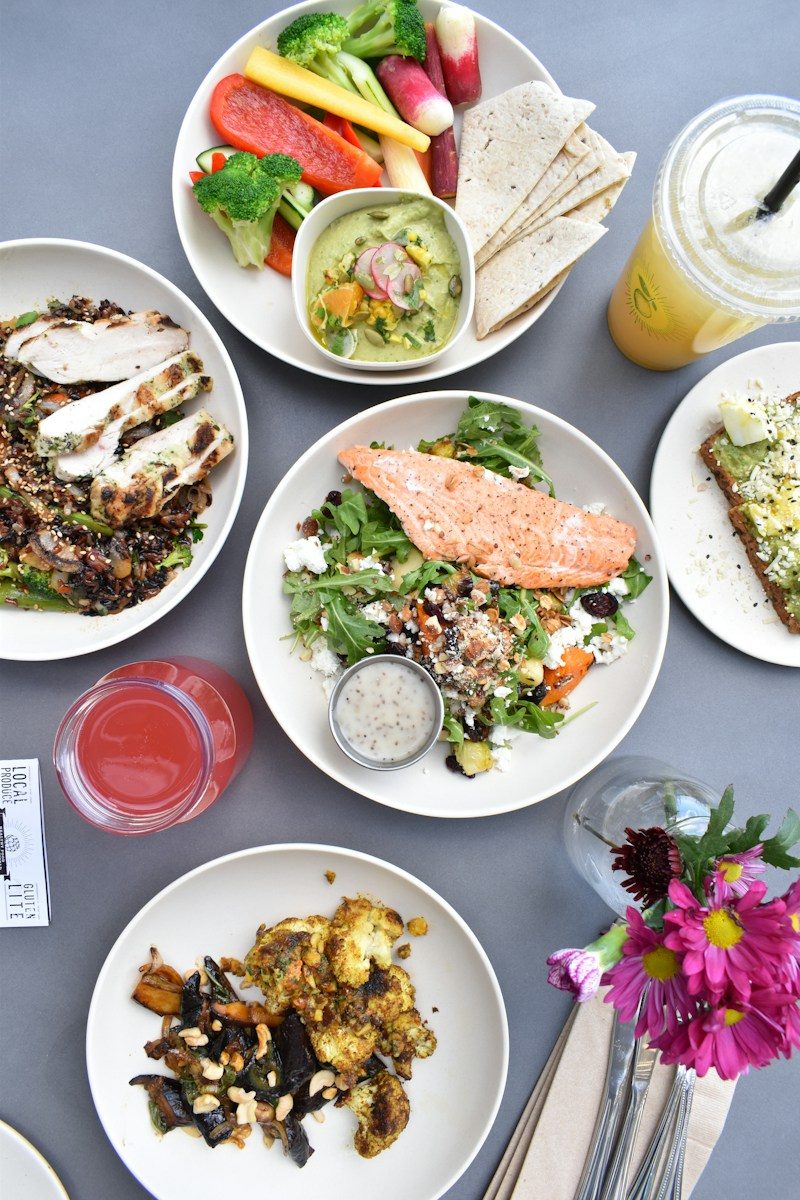
What Is a 7-Day Healthy Meal Plan?
A 7-day healthy meal plan is a simple weekly eating schedule that includes balanced meals and snacks to support your nutritional needs.
Instead of deciding what to eat every day, you prepare a weekly menu that combines nutritious foods from different food groups.
A balanced eating plan generally includes:
-
Lean proteins: Chicken, fish, eggs, beans, lentils, and tofu.
-
Whole grains: Brown rice, oatmeal, quinoa, and whole-wheat bread.
-
Vegetables: Spinach, carrots, broccoli, tomatoes, and leafy greens.
-
Fruits: Apples, bananas, oranges, berries, and watermelon.
-
Healthy fats: Olive oil, nuts, seeds, and avocado.
-
Calcium-rich foods: Yogurt, milk, and fortified plant-based alternatives.
Eating a variety of these foods helps provide essential vitamins, minerals, fiber, protein, and other nutrients.
The goal isn’t to follow a restrictive diet. It’s to create a sustainable routine that makes nutritious food a regular part of your lifestyle.
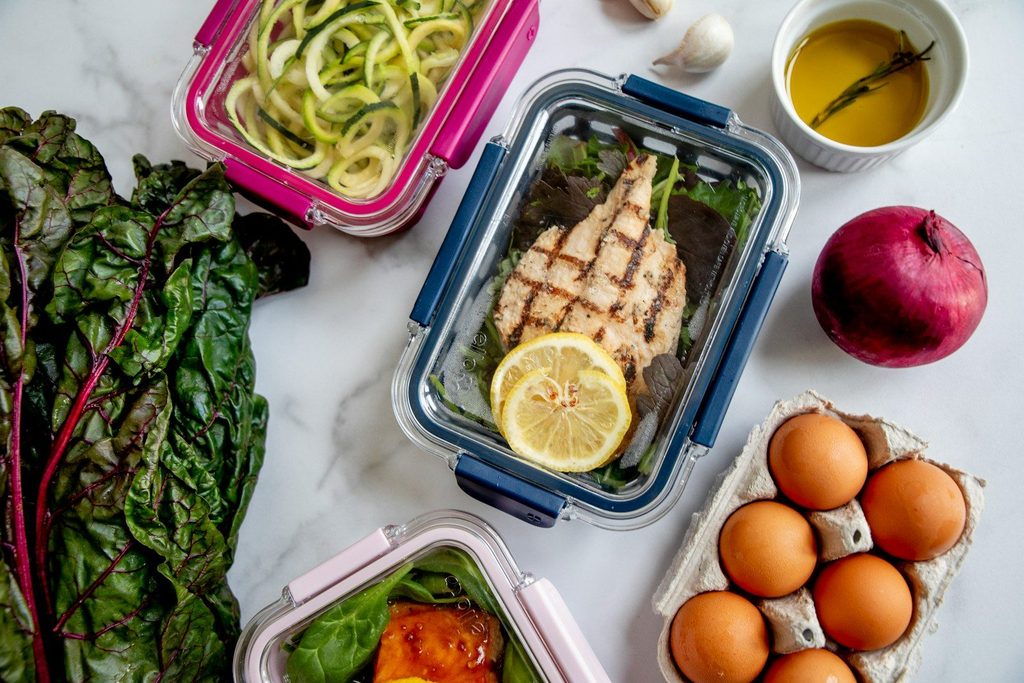
Benefits of Following a Healthy Meal Plan
1. Makes Healthy Eating Easier
Planning meals ahead of time reduces the daily stress of deciding what to cook. You’ll know which ingredients you need and how to prepare them.
2. Helps You Save Money
A weekly meal plan allows you to shop with a clear grocery list, use ingredients across several recipes, and reduce unnecessary food purchases.
3. Supports Consistent Energy
Balanced meals containing carbohydrates, protein, and healthy fats can help you stay satisfied and maintain steady energy throughout the day.
4. Encourages Better Portion Awareness
Meal planning helps you become more mindful of how much you eat without requiring strict calorie counting.
5. Reduces Food Waste
When you buy groceries with specific meals in mind, you’re more likely to use fresh ingredients before they spoil.
How to Build a Balanced Healthy Plate
One of the easiest ways to eat healthier is to use the balanced plate method.
A simple visual guide to your plate
General meal-planning guide: fill half your plate with vegetables and fruit, one-quarter with protein, and one-quarter with whole grains or other starchy foods.
Include moderate amounts of healthy fats, and choose water or an unsweetened beverage regularly.
This method is flexible. You can adjust your portions based on your age, activity level, appetite, and individual nutritional needs.
Your Complete 7-Day Healthy Meal Plan for Beginners
This weekly meal plan includes three main meals and optional snacks each day. It uses familiar ingredients and simple cooking methods.
The suggested meals are not a fixed-calorie diet. Adjust portions and snacks to your needs, and substitute ingredients to accommodate allergies or dietary preferences.
7-day meal overview
Monday
Breakfast: Oatmeal with banana
Lunch: Grilled chicken salad
Dinner: Salmon, rice & broccoli
Snack: Apple & almonds
Day 1: Monday – Start With Simple, Nutritious Meals
Breakfast: Oatmeal With Banana and Nuts
Start your week with a comforting bowl of oatmeal.
Ingredients:
-
½ cup rolled oats
-
1 cup milk or fortified unsweetened plant milk
-
1 small banana, sliced
-
1 tablespoon chopped walnuts
-
A pinch of cinnamon
Instructions:
Cook the oats in milk according to package directions, usually for about five minutes. Transfer to a bowl and add sliced banana, walnuts, and cinnamon.
Oats provide fiber, while the banana adds natural sweetness and walnuts contribute healthy fats.
Lunch: Grilled Chicken Salad
Combine grilled chicken breast with mixed greens, cucumber, tomatoes, and carrots. Drizzle with olive oil and lemon juice.
Add a slice of whole-grain bread or a serving of cooked quinoa for additional carbohydrates and fiber.
Dinner: Baked Salmon With Brown Rice and Broccoli
Season salmon with lemon, garlic, and black pepper. Bake at 400°F (200°C) until fully cooked, usually around 12–15 minutes depending on thickness.
Serve with brown rice and steamed broccoli. Cook fish to a safe internal temperature of 145°F (63°C).
Optional snack: An apple with a small handful of unsalted almonds.
Day 2: Tuesday – Focus on Protein and Vegetables
Breakfast: Scrambled Eggs and Whole-Grain Toast
Scramble two eggs with a handful of spinach in a small amount of olive oil.
Serve with whole-grain toast and fresh tomato slices.
Eggs provide protein and several important nutrients, while whole-grain toast contributes fiber.
Lunch: Turkey and Avocado Wrap
Fill a whole-wheat tortilla with cooked turkey, avocado, lettuce, tomato, and plain yogurt dressing.
For a vegetarian alternative, replace turkey with hummus and chickpeas.
Dinner: Chicken and Vegetable Stir-Fry
Ingredients:
-
1 chicken breast, sliced
-
1 cup mixed vegetables
-
1 teaspoon olive oil
-
1 garlic clove
-
1 tablespoon reduced-sodium soy sauce
-
Cooked brown rice
Instructions:
Heat olive oil in a pan, add chicken, and cook until the center reaches 165°F (74°C). Add garlic and vegetables, stirring until tender-crisp.
Finish with reduced-sodium soy sauce and serve over brown rice.
Optional snack: Plain Greek yogurt with fresh fruit.
Day 3: Wednesday – Add More Fiber-Rich Foods
Breakfast: Greek Yogurt Berry Parfait
Layer plain Greek yogurt with strawberries, blueberries, rolled oats, and chia seeds.
This no-cook breakfast is ideal for busy mornings and provides protein, fiber, and calcium.
Lunch: Quinoa and Chickpea Bowl
Combine cooked quinoa, rinsed chickpeas, cucumber, cherry tomatoes, spinach, and lemon-olive oil dressing.
Chickpeas are a convenient plant-based source of protein and fiber.
Dinner: Baked Chicken With Sweet Potato
Season chicken breast with paprika, garlic powder, and black pepper. Bake until fully cooked.
Serve with roasted sweet potato wedges and steamed green beans.
Sweet potatoes provide carbohydrates, fiber, and beta-carotene, which the body can convert into vitamin A.
Optional snack: Carrot sticks with hummus.
Day 4: Thursday – Enjoy Easy, Budget-Friendly Meals
Breakfast: Peanut Butter Banana Toast
Spread natural peanut butter on whole-grain toast and top with banana slices.
Choose peanut butter without unnecessary added sugar when possible.
Pair it with plain yogurt or milk if you’d like more protein.
Lunch: Tuna and White Bean Salad
Mix canned tuna with white beans, chopped cucumber, tomatoes, parsley, and lemon juice.
Use canned light tuna in moderation, or replace it with mashed chickpeas for a fish-free alternative.
Dinner: Whole-Wheat Pasta With Vegetables
Cook whole-wheat pasta according to package instructions.
Meanwhile, sauté zucchini, bell peppers, spinach, and garlic in olive oil. Add a no-added-sugar tomato sauce and simmer briefly.
Combine with pasta and top with a little Parmesan cheese, if desired.
Add cooked lentils or beans to make the meal more filling.
Optional snack: An orange with a handful of nuts.
Day 5: Friday – Keep Your Meals Colorful
Breakfast: Spinach and Tomato Egg Scramble
Whisk two eggs and cook with chopped spinach and tomatoes in a lightly oiled pan.
Serve with whole-grain toast and fresh fruit.
Lunch: Chicken and Brown Rice Bowl
Use leftover cooked chicken and brown rice, adding cucumber, carrots, avocado, and leafy greens.
Finish with a lemon and olive oil dressing.
This meal demonstrates how preparing ingredients in advance can save time.
Dinner: Baked Fish With Roasted Vegetables
Season a white fish fillet with garlic, paprika, lemon juice, and olive oil.
Bake until the fish reaches 145°F (63°C).
Serve with roasted carrots, zucchini, and a small baked potato.
Optional snack: Plain yogurt with berries.
Day 6: Saturday – Make Healthy Eating Enjoyable
Breakfast: Berry and Banana Smoothie
Blend one banana, a handful of frozen berries, plain Greek yogurt, milk, and a tablespoon of oats.
For a thicker smoothie, use frozen banana slices.
This breakfast is especially useful when you want something quick. Pair it with whole-grain toast or an egg if you need a more substantial meal.
Lunch: Lentil and Vegetable Soup
Cook lentils with chopped carrots, celery, onion, tomatoes, garlic, and low-sodium vegetable broth.
Simmer until the lentils are tender.
Lentils are inexpensive, versatile, and rich in fiber and plant protein.
Dinner: Homemade Chicken Fajitas
Cook sliced chicken breast with onions and colorful bell peppers.
Season with cumin, paprika, garlic, and lime juice.
Serve in whole-wheat tortillas with lettuce, salsa, and avocado.
Optional snack: Apple slices with peanut butter.
Day 7: Sunday – Finish the Week Strong
Breakfast: Overnight Oats
Mix rolled oats, milk, plain yogurt, chia seeds, and berries in a covered container.
Refrigerate overnight and enjoy chilled the next morning.
Overnight oats are an excellent option for people who want to prepare breakfast in advance.
Lunch: Chicken and Avocado Sandwich
Layer cooked chicken, avocado, lettuce, and tomato between two slices of whole-grain bread.
Add mustard or a light yogurt-based spread for extra flavor.
Serve with cucumber slices or fresh fruit.
Dinner: Roast Chicken With Mixed Vegetables
Roast chicken with carrots, sweet potatoes, onions, and broccoli.
Season with olive oil, garlic, rosemary, and black pepper.
Cook chicken to an internal temperature of 165°F (74°C).
Make extra portions if you plan to use the leftovers for the following week’s lunches.
Optional snack: Fresh fruit with plain yogurt.
Complete Grocery List for Your 7-Day Healthy Meal Plan
A well-organized grocery list makes healthy eating more manageable.
The following list covers the main ingredients for the week. Quantities depend on household size, portions, and substitutions.
Interactive grocery checklist
0 / 34 selected
Proteins
Whole grains & starches
Vegetables
Fruit
Pantry & extras
7 Easy Meal Prep Tips for Beginners
Meal preparation doesn’t require spending your entire Sunday cooking. A few small habits can make your week much easier.
1. Plan Before Shopping
Review your weekly menu and check which ingredients you already have. Create a shopping list based on what is missing.
2. Prepare Ingredients in Batches
Wash vegetables, cook grains, and portion ingredients ahead of time. This reduces the work required at mealtimes.
3. Use Simple Cooking Methods
Baking, steaming, roasting, and stir-frying are straightforward ways to prepare nutritious meals.
4. Keep Healthy Snacks Available
Stock your kitchen with fruit, plain yogurt, nuts, and chopped vegetables.
5. Reuse Ingredients Creatively
Cooked chicken can be used in salads, sandwiches, wraps, and rice bowls.
6. Store Food Safely
Refrigerate perishable cooked food promptly, generally within two hours. Keep the refrigerator at 40°F (4°C) or below, and use most cooked leftovers within three to four days or freeze them.
7. Stay Flexible
If you don’t enjoy a particular meal, replace it with another nutritious option. Consistency matters more than following a menu perfectly.
How to Make Your Healthy Meal Plan More Affordable
Healthy eating can fit a modest grocery budget when you plan carefully.
Choose seasonal produce, compare unit prices, and buy frozen vegetables when fresh options are expensive.
Beans, lentils, oats, eggs, and brown rice are versatile ingredients that can be used in multiple meals.
You can also replace salmon with a less expensive fish, use canned beans instead of specialty ingredients, and choose peanut butter or seeds when nuts are costly.
Preparing meals at home and using leftovers safely can further reduce food expenses.
Common Healthy Meal Planning Mistakes to Avoid
Skipping meals unnecessarily: Skipping meals can leave some people overly hungry later. Choose a meal schedule that works with your appetite and daily routine.
Eating too few calories: Healthy eating doesn’t mean eating as little as possible. Your body needs enough energy and nutrients.
Avoiding all carbohydrates: Whole grains, fruit, beans, and starchy vegetables can be valuable parts of a balanced diet.
Forgetting about protein: Include protein sources throughout the day to support normal body functions and help make meals satisfying.
Expecting perfection: One unplanned meal doesn’t erase your progress. Focus on long-term habits rather than rigid rules.
How Much Water Should You Drink?
Water supports digestion, temperature regulation, and normal body functions.
Hydration needs vary depending on body size, activity, climate, diet, and health conditions.
Keep water accessible throughout the day, drink regularly, and increase fluids when sweating heavily. Unsweetened tea and other beverages can also contribute to fluid intake.
Pale-yellow urine is often a useful general indicator of hydration, although it isn’t a perfect measure for everyone.
Frequently Asked Questions About a 7-Day Healthy Meal Plan
Is this healthy meal plan good for beginners?
Yes. The plan emphasizes simple ingredients, familiar meals, and straightforward cooking methods, making it suitable for people who are just starting to develop healthier eating habits.
Can I lose weight following this 7-day healthy meal plan?
This plan can support healthier eating habits, but weight loss depends on overall energy intake, energy expenditure, and individual factors. It isn’t designed as a specific weight-loss diet.
Can I repeat this meal plan every week?
Yes, but introduce different fruits, vegetables, proteins, and whole grains over time to improve variety and help meet your nutritional needs.
What if I don’t eat chicken or fish?
You can substitute tofu, lentils, beans, chickpeas, eggs, or other preferred protein sources. Consider your overall nutritional needs when making substitutions.
Do I need to count calories?
Not necessarily. Many beginners can start by focusing on balanced meals, portion awareness, and hunger and fullness cues. People with specific medical or nutrition goals may benefit from individualized guidance.
Can I prepare all seven days of meals in advance?
You can plan the entire week, but don’t keep seven days of cooked perishable meals in the refrigerator. Refrigerate meals for a few days and freeze portions intended for later in the week.
Is this meal plan suitable for families?
Yes. You can scale recipes to serve additional people and adjust portions for different ages and nutritional needs.
Final Thoughts: Start Your Healthy Eating Journey Today
Following a 7-Day Healthy Meal Plan for Beginners is one of the simplest ways to bring more structure and variety into your eating routine.
You don’t need expensive superfoods, complicated recipes, or a perfect diet to begin making healthier choices.
Start with balanced breakfasts, nutritious lunches, satisfying dinners, and optional snacks. Choose foods you enjoy, prepare ingredients in advance, and make gradual improvements that fit your lifestyle.
Remember that healthy eating is about building sustainable habits, not following strict rules for seven days.
Use this meal plan as your starting point, experiment with different recipes, and continue developing a routine that supports your long-term well-being.
Your healthier week can begin with your very next meal.
Health note: This plan is general educational information, not individualized medical nutrition advice. If you have diabetes, kidney disease, food allergies, are pregnant, or have other specific dietary needs, consult a qualified healthcare professional or registered dietitian for appropriate adjustments.