

15 Best Low Impact Exercises for Women to Stay Fit, Strong, and Healthy
Staying active is one of the best things you can do for your physical and mental health. However, not every woman enjoys intense workouts, jumping exercises, or high-impact fitness routines. Sometimes, you simply want a workout that helps you stay fit, strengthen your muscles, improve your flexibility, and support your overall well-being without putting unnecessary stress on your joints.
That’s where low impact exercises for women come in.
Low impact workouts are an excellent way to maintain an active lifestyle while keeping movements controlled and manageable. Whether you’re a beginner, a busy mother, a working professional, or someone looking for a gentler approach to fitness, these exercises can help you achieve your fitness goals.
The best part? You don’t necessarily need an expensive gym membership or complicated fitness equipment. Many low impact exercises can be performed comfortably at home using your body weight, a resistance band, or a simple pair of light dumbbells.
In this guide, we’ll explore 15 effective low impact exercises for women, their benefits, and how to incorporate them into your daily fitness routine.
What Are Low Impact Exercises?
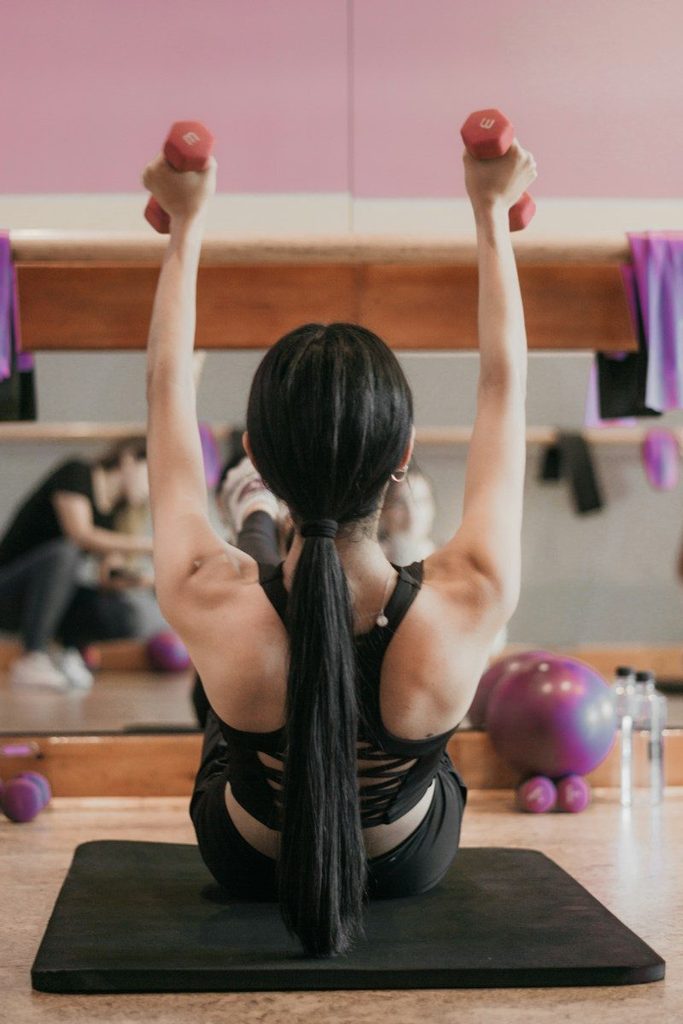
Low impact exercises are physical activities that place relatively little stress on your joints while helping you improve your fitness, strength, balance, and endurance.
Unlike high-impact exercises such as jumping jacks, burpees, and running, low impact movements generally keep at least one foot in contact with the ground or involve controlled movements that reduce landing forces.
This makes them a popular choice for women who want to exercise without excessive jumping or pounding.
Examples of low impact exercises include:
- Walking.
- Swimming.
- Cycling.
- Pilates.
- Yoga.
- Bodyweight squats.
- Glute bridges.
- Standing leg raises.
- Modified push-ups.
Low impact does not mean low intensity. You can still challenge your muscles, increase your heart rate, and improve cardiovascular fitness without performing explosive movements.
Why Should Women Choose Low Impact Exercises?
There are several reasons why low impact workouts are worth considering.
1. They Are Gentler on Your Joints
One of the biggest advantages of low impact exercises is that they reduce repetitive landing forces associated with jumping and running.
This can make them a useful option for women who prefer joint-friendly movements or find high-impact workouts uncomfortable.
However, low impact does not mean completely injury-free. Proper technique, appropriate exercise selection, and gradual progression remain important.
2. They Help Improve Cardiovascular Health
Activities such as brisk walking, cycling, swimming, and low impact aerobic workouts can increase your heart rate and support cardiovascular fitness.
Regular physical activity can also contribute to healthier blood pressure, improved circulation, and better overall heart health.
3. They Help Build Muscle Strength
You don’t need heavy weights to develop stronger muscles.
Exercises such as squats, lunges, wall push-ups, and glute bridges use your body weight to challenge different muscle groups.
As you become stronger, you can increase repetitions, add resistance bands, or introduce light weights.
4. They Support Healthy Weight Management
Low impact exercises can help you burn calories and increase your daily energy expenditure.
When combined with balanced nutrition, sufficient sleep, and consistent physical activity, they can support healthy weight management.
Remember that weight loss depends on several factors, including nutrition, activity levels, genetics, and individual health conditions.
5. They Improve Flexibility and Balance
Many low impact exercises involve controlled movements that improve mobility, coordination, and body awareness.
Yoga, Pilates, and standing balance exercises are particularly helpful for developing flexibility and stability.
6. They Can Support Mental Well-Being
Exercise is not just about physical appearance. Regular movement can help improve mood, reduce stress, and support better sleep.
Even a short daily walk can provide an opportunity to relax, clear your mind, and reconnect with yourself.
15 Best Low Impact Exercises for Women
If you’re looking for simple but effective movements to include in your routine, here are 15 exercises worth trying.
1. Walking
Walking is one of the easiest and most accessible low impact exercises for women.
It requires very little equipment, can be done almost anywhere, and is suitable for many different fitness levels.
Regular walking can improve cardiovascular endurance, support weight management, strengthen your lower body, and help improve your mood.
How to do it:
- Stand upright with your shoulders relaxed.
- Begin walking at a comfortable pace.
- Swing your arms naturally as you move.
- Gradually increase your pace if you feel comfortable.
- Continue for 15–30 minutes.
Beginners can start with 10 minutes and gradually increase their walking duration.
Best for: Beginners, cardiovascular fitness, and daily movement.
2. Bodyweight Squats
Squats are excellent for strengthening your lower body without requiring weights or jumping.
They target your quadriceps, glutes, hamstrings, and core muscles.
How to do it:
- Stand with your feet approximately shoulder-width apart.
- Keep your chest lifted and your core engaged.
- Slowly bend your knees and push your hips backward.
- Lower yourself as far as feels comfortable while maintaining good form.
- Push through your feet to return to standing.
Try 2 sets of 10–12 repetitions.
If traditional squats feel difficult, use a chair for support.
Best for: Strengthening your legs, glutes, and lower body.
3. Glute Bridges
Glute bridges are a beginner-friendly exercise that strengthens your glutes, hamstrings, and core.
They are especially useful for women who spend long periods sitting.
How to do it:
- Lie on your back with your knees bent.
- Keep your feet flat on the floor.
- Place your arms beside your body.
- Tighten your abdominal muscles.
- Lift your hips until your body forms a comfortable straight line from your shoulders to your knees.
- Slowly lower your hips.
Complete 2 sets of 12–15 repetitions.
Best for: Glute strength, hip stability, and lower-body conditioning.
4. Wall Push-Ups
If traditional push-ups are too challenging, wall push-ups are an excellent alternative.
They help strengthen your chest, shoulders, arms, and core while allowing you to control the intensity.
How to do it:
- Stand facing a wall.
- Place your palms against the wall at shoulder height.
- Step backward slightly.
- Bend your elbows and bring your chest toward the wall.
- Push yourself back to the starting position.
Perform 2 sets of 10–12 repetitions.
Best for: Upper-body strength and beginners.
5. Standing Side Leg Raises
Standing side leg raises target the muscles around your hips and outer thighs.
They also help develop balance and lower-body stability.
How to do it:
- Stand upright beside a chair or wall.
- Hold the support lightly.
- Slowly lift one leg out to the side.
- Keep your toes facing forward.
- Lower your leg without swinging it.
- Repeat on the opposite side.
Complete 10–12 repetitions on each leg.
Best for: Hip strength, balance, and lower-body stability.
6. Step Touches
Step touches are simple aerobic movements that can increase your heart rate without jumping.
They are ideal for women who enjoy dancing or want an easy cardio workout at home.
How to do it:
- Stand with your feet together.
- Step to the right.
- Bring your left foot toward your right foot.
- Step to the left.
- Bring your right foot toward your left foot.
- Continue alternating sides.
Perform for 2–5 minutes.
You can add gentle arm movements to make the workout more engaging.
Best for: Low impact cardio and improving coordination.
7. Seated Leg Extensions
Seated leg extensions are useful for strengthening your quadriceps, the muscles at the front of your thighs.
They can be performed using a sturdy chair.
How to do it:
- Sit upright in a chair.
- Keep both feet flat on the floor.
- Slowly straighten one knee.
- Hold briefly.
- Lower your foot.
- Repeat with the other leg.
Complete 10–15 repetitions on each side.
Best for: Quadriceps strength and beginner-friendly workouts.
8. Standing Marching
Standing marching is a simple cardiovascular exercise that requires no equipment.
It can be performed in a small space, making it ideal for home workouts.
How to do it:
- Stand upright with your feet hip-width apart.
- Lift your right knee comfortably.
- Lower it gently.
- Lift your left knee.
- Continue alternating legs.
- Swing your arms naturally.
Continue for 1–3 minutes.
For an additional challenge, increase your marching speed without introducing jumping.
Best for: Cardiovascular endurance and coordination.
9. Bird Dogs
Bird dogs are excellent for developing core stability and improving coordination.
They target your abdominal muscles, back, glutes, and shoulders.
How to do it:
- Begin on your hands and knees.
- Keep your back neutral.
- Extend your right arm forward.
- Extend your left leg backward.
- Hold for a few seconds.
- Return to the starting position.
- Switch sides.
Complete 8–10 repetitions on each side.
Best for: Core strength, balance, and stability.
10. Modified Reverse Lunges
Reverse lunges strengthen your glutes, quadriceps, and hamstrings.
They can be modified to reduce the range of movement and make them more accessible to beginners.
How to do it:
- Stand upright with your feet hip-width apart.
- Hold a chair for balance if necessary.
- Step one foot backward.
- Bend both knees slightly, staying within a comfortable range.
- Push through your front foot to return to standing.
- Repeat with the opposite leg.
Try 8–10 repetitions per leg.
Best for: Lower-body strength and balance.
11. Pilates
Pilates is a popular exercise method that emphasizes controlled movements, breathing, posture, and core strength.
Many Pilates exercises are low impact and can be adapted to different fitness levels.
Benefits include:
- Improved core stability.
- Better posture.
- Increased body awareness.
- Improved flexibility.
- Stronger supporting muscles.
Beginners can start with 15–20 minutes of beginner-friendly Pilates sessions.
Best for: Core strength, flexibility, posture, and body control.
12. Yoga
Yoga combines movement, breathing, balance, and stretching.
Depending on the style and intensity, yoga can provide a gentle workout that improves mobility and relaxation.
Beginner-friendly poses include:
- Cat-Cow Stretch.
- Child’s Pose.
- Mountain Pose.
- Seated Forward Fold.
- Bridge Pose.
- Standing Side Stretch.
Start with 15–20 minutes of gentle yoga and avoid forcing your body into uncomfortable positions.
Best for: Flexibility, relaxation, balance, and mobility.
13. Swimming
Swimming is an excellent low impact cardiovascular exercise because water supports much of your body weight.
It allows you to move your arms and legs against the resistance of water while reducing the impact associated with land-based activities.
Swimming can help improve:
- Cardiovascular endurance.
- Full-body muscular endurance.
- Coordination.
- General fitness.
- Mobility.
If you’re new to swimming, start with short sessions and choose a stroke that feels comfortable.
Best for: Full-body conditioning and low impact cardio.
14. Stationary Cycling
Stationary cycling is another effective way to improve cardiovascular fitness without jumping.
It strengthens the muscles in your legs while allowing you to adjust resistance and speed.
How to do it:
- Adjust the seat so your legs remain slightly bent at the bottom of the pedal stroke.
- Sit comfortably with your back relaxed.
- Begin pedaling slowly.
- Gradually increase your speed or resistance.
- Continue for 10–20 minutes.
Beginners should start with low resistance and increase gradually.
Best for: Cardio fitness, leg endurance, and home workouts.
15. Standing Calf Raises
Standing calf raises are simple exercises that strengthen the muscles at the back of your lower legs.
They also help develop ankle strength and balance.
How to do it:
- Stand upright with your feet hip-width apart.
- Hold a chair or wall for support.
- Slowly raise your heels.
- Balance on the balls of your feet.
- Lower your heels slowly.
Perform 2 sets of 12–15 repetitions.
Best for: Calf strength, ankle stability, and balance.
A Simple 7-Day Low Impact Workout Plan for Women
Knowing which exercises to perform is important, but having a consistent schedule makes it easier to stay motivated.
Here is a beginner-friendly weekly plan you can follow at home.
| Day | Workout | Duration |
|---|---|---|
| Monday | Walking and bodyweight squats | 25 minutes |
| Tuesday | Beginner yoga and stretching | 20 minutes |
| Wednesday | Glute bridges, wall push-ups, and bird dogs | 20 minutes |
| Thursday | Brisk walking or stationary cycling | 25 minutes |
| Friday | Pilates and standing leg raises | 20 minutes |
| Saturday | Step touches and light strength training | 25 minutes |
| Sunday | Gentle stretching or rest | 15 minutes |
You can adjust the duration according to your fitness level, energy, and schedule.
Remember that rest days are an important part of a balanced exercise routine.
How to Make Low Impact Exercises More Effective
Low impact workouts can be incredibly effective when performed consistently and with proper technique.
Here are some practical ways to get more out of your routine.
1. Start Slowly
If you’re new to exercise, avoid trying to complete an advanced workout immediately.
Begin with shorter sessions and simple movements. As your endurance improves, gradually increase the duration or number of repetitions.
2. Focus on Proper Form
Good exercise technique helps you target the intended muscles and reduces unnecessary strain.
Move slowly, maintain good posture, and avoid rushing through repetitions.
3. Combine Cardio and Strength Training
A balanced fitness routine should include both cardiovascular activities and muscle-strengthening exercises.
For example, combine walking or cycling with squats, glute bridges, and wall push-ups.
4. Stay Consistent
Consistency matters more than completing an extremely difficult workout once in a while.
Even 15–20 minutes of regular movement can help you build a sustainable fitness habit.
5. Increase Intensity Gradually
When an exercise becomes easier, you can challenge yourself by:
- Increasing repetitions.
- Adding another set.
- Using resistance bands.
- Introducing light dumbbells.
- Increasing walking speed.
- Extending your workout duration.
Make one adjustment at a time so your body has time to adapt.
Can Low Impact Exercises Help Women Lose Weight?
Yes. Low impact exercises can support weight loss by increasing the number of calories your body uses throughout the day.
Activities such as brisk walking, cycling, swimming, and low impact aerobics can contribute to your overall energy expenditure.
Strength exercises are also important because they help maintain and develop muscle.
However, no single exercise guarantees weight loss.
For sustainable results, combine regular physical activity with balanced meals, adequate hydration, good sleep, and realistic fitness goals.
It is also important to remember that progress looks different for everyone. Improvements in stamina, strength, mobility, and energy are meaningful signs of success even when the number on the scale does not change.
Are Low Impact Exercises Good for Beginners?
Absolutely!
Low impact exercises are often a practical starting point for women who are new to fitness.
Many movements can be performed without equipment, and most exercises can be modified to suit different abilities.
For example:
- Start with walking instead of running.
- Choose wall push-ups instead of traditional push-ups.
- Use chair-supported squats instead of deep squats.
- Try seated leg extensions if standing exercises are difficult.
- Choose gentle yoga instead of advanced flexibility routines.
The key is to select movements that feel manageable and gradually build your confidence.
If you have a medical condition, persistent joint pain, or an injury, consult a qualified healthcare professional before beginning a new exercise program.
Common Mistakes to Avoid When Doing Low Impact Workouts
Although these exercises are generally gentler than high-impact alternatives, there are still mistakes you should avoid.
Skipping Warm-Ups
Starting intense movement without warming up can make exercise less comfortable.
Spend 5–10 minutes walking slowly, marching in place, or performing gentle mobility movements.
Doing Too Much Too Soon
Increasing workout intensity too quickly can lead to excessive soreness and discouragement.
Allow your body time to adapt.
Ignoring Your Posture
Poor posture can affect how effectively you perform an exercise.
Keep your back neutral, shoulders relaxed, and core engaged when appropriate.
Forgetting Rest and Recovery
Your muscles need time to recover between challenging workouts.
Include rest days and pay attention to signs of fatigue.
Comparing Your Progress With Others
Every woman has a different starting point, fitness level, and lifestyle.
Focus on your personal progress rather than comparing your results with someone else’s.
Frequently Asked Questions About Low Impact Exercises for Women
1. What Are the Best Low Impact Exercises for Women?
Some of the best low impact exercises include walking, swimming, stationary cycling, yoga, Pilates, bodyweight squats, glute bridges, wall push-ups, and standing leg raises.
The best options depend on your fitness level and personal goals.
2. Can I Do Low Impact Exercises Every Day?
Many women can participate in some form of gentle physical activity daily, such as walking or stretching.
However, intense strength workouts should allow adequate recovery time.
A balanced routine should include different activities and appropriate rest.
3. Do Low Impact Exercises Help Burn Belly Fat?
Low impact exercises can support overall fat loss by increasing physical activity and energy expenditure.
However, no exercise can selectively remove fat from your stomach.
A combination of regular exercise, balanced nutrition, and healthy lifestyle habits can support gradual overall fat loss.
4. Can I Lose Weight With Low Impact Workouts at Home?
Yes. Walking, marching in place, bodyweight squats, step touches, and Pilates can all be performed at home.
When combined with healthy eating habits and consistency, these exercises can contribute to weight management.
5. How Long Should a Beginner Exercise?
Beginners can start with 10–15 minutes per session, depending on their fitness level.
Gradually work toward the recommended physical activity guidelines of at least 150 minutes of moderate-intensity aerobic activity each week, alongside muscle-strengthening activities on two or more days.
6. Are Low Impact Exercises Suitable for Women Over 40?
Yes. Many low impact exercises can be adapted for women over 40.
Walking, swimming, cycling, resistance training, and yoga can help support cardiovascular fitness, muscle strength, balance, and mobility.
Choose exercises that match your abilities and health needs.
7. Do Low Impact Workouts Build Muscle?
Yes. Low impact strength exercises can build and maintain muscle when they provide sufficient resistance and are progressively challenging.
Squats, lunges, wall push-ups, glute bridges, and resistance band exercises are good examples.
Final Thoughts
Finding an exercise routine that works for your lifestyle doesn’t mean you have to push yourself through exhausting workouts or spend hours in the gym.
The best low impact exercises for women are those that help you stay active, build strength, improve cardiovascular fitness, and feel good about your body while respecting your current fitness level.
From walking and swimming to Pilates, yoga, and simple bodyweight movements, there are plenty of ways to create an enjoyable fitness routine.
Start with a few exercises, remain consistent, and gradually challenge yourself as your strength and confidence improve.
Most importantly, remember that fitness is a journey, not a competition. Every step, stretch, and repetition counts toward building a healthier and more active lifestyle.