
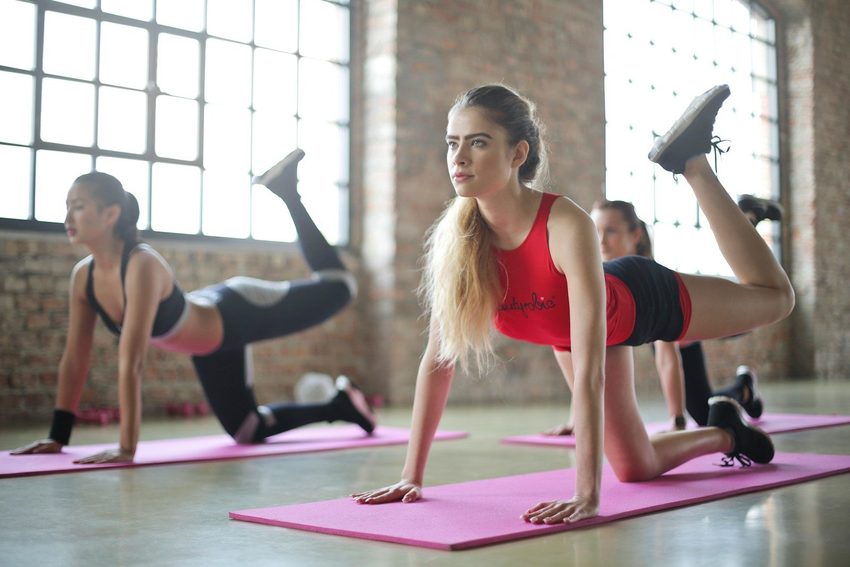
15 Best Beginner Workouts at Home Without Equipment (Easy Full-Body Exercises)
Want to get fit without going to the gym or spending money on expensive workout equipment? You’re in the right place!
Starting a fitness journey can feel overwhelming, especially when you’re unsure which exercises are suitable for beginners. Fortunately, you don’t need dumbbells, resistance bands, or a gym membership to improve your fitness.
The 15 best beginner workouts at home without equipment can help you build strength, improve flexibility, increase endurance, and establish a consistent exercise routine—all from the comfort of your living room.
Whether your goal is to lose weight, become stronger, improve your energy levels, or simply live a healthier lifestyle, these beginner-friendly bodyweight exercises offer an accessible starting point.
In this comprehensive guide, you’ll discover 15 easy exercises, step-by-step instructions, a beginner workout schedule, and practical tips to help you exercise safely and consistently.
Let’s get started!

Why Choose Beginner Workouts at Home Without Equipment?
Home workouts have become a convenient fitness option for people with busy schedules, limited budgets, or little exercise experience.
One of the biggest advantages of exercising at home is that you can start immediately without purchasing special equipment.
Here are some benefits of beginner home workouts.
1. Save Money on Gym Memberships
Gym memberships, personal trainers, and fitness equipment can be expensive.
Bodyweight workouts allow you to exercise without additional costs. All you need is comfortable clothing, a little floor space, and the motivation to begin.
2. Exercise Whenever You Want
Home workouts provide flexibility.
You can exercise early in the morning, during your lunch break, or after work. Even a short workout can contribute to your weekly physical activity goals.
3. Build Strength and Endurance
Exercises such as squats, lunges, push-ups, and planks engage multiple muscle groups.
With regular practice, these movements can improve muscular strength, endurance, balance, and everyday mobility.
4. Support Healthy Weight Management
Bodyweight exercises increase physical activity and can help burn calories.
When combined with balanced nutrition, adequate sleep, and sustainable lifestyle habits, regular exercise can support healthy weight management.
5. Develop a Consistent Fitness Habit
For beginners, consistency matters more than performing complicated workouts.
Starting with simple exercises makes it easier to establish a routine you can maintain over time.
15 Best Beginner Workouts at Home Without Equipment
These 15 exercises are suitable for many beginners and can be combined into a complete full-body routine.
Start slowly, focus on proper form, and adjust the number of repetitions according to your fitness level.
1. Marching in Place
Best for: Warm-ups, cardiovascular fitness, and beginners returning to exercise.
Marching in place is one of the easiest exercises to perform at home. It gently increases your heart rate and prepares your muscles for movement.
How to do it:
- Stand upright with your feet hip-width apart.
- Lift your right knee toward your waist.
- Lower your right foot and lift your left knee.
- Swing your arms naturally.
- Continue alternating legs at a comfortable pace.
Beginner recommendation: 30–60 seconds.
Benefits:
- Improves coordination.
- Gently increases your heart rate.
- Warms up your lower-body muscles.
- Provides a low-impact alternative to running.
Beginner tip: Start slowly and increase your marching speed as you become more comfortable.
2. Bodyweight Squats
Best for: Strengthening your legs, glutes, and lower body.
Bodyweight squats are among the most effective beginner exercises because they train muscles used in everyday activities such as sitting, standing, and climbing stairs.
How to do it:
- Stand with your feet approximately shoulder-width apart.
- Keep your chest lifted and tighten your abdominal muscles.
- Push your hips backward as though sitting in a chair.
- Bend your knees and lower yourself as far as comfortably possible.
- Press through your feet to return to standing.
Beginner recommendation: 8–12 repetitions.
Benefits:
- Strengthens the quadriceps and glutes.
- Improves lower-body stability.
- Supports functional movement.
- Develops muscular endurance.
Beginner tip: Practice sitting down onto a sturdy chair and standing back up if regular squats feel difficult.
3. Wall Push-Ups
Best for: Beginners developing upper-body strength.
Traditional floor push-ups can be challenging when you’re new to exercise. Wall push-ups offer an easier variation that still works your chest, shoulders, and triceps.
How to do it:
- Stand facing a wall.
- Place your palms against the wall at shoulder height.
- Walk your feet slightly backward.
- Bend your elbows and bring your chest toward the wall.
- Push through your palms to return to the starting position.
Beginner recommendation: 8–12 repetitions.
Benefits:
- Strengthens upper-body muscles.
- Improves pushing strength.
- Helps prepare you for more challenging push-up variations.
- Requires no equipment.
Beginner tip: Keep your body straight and avoid letting your hips sag.
4. Standing Knee Raises
Best for: Core engagement, balance, and light cardio.
Standing knee raises are a simple exercise that can improve coordination while engaging your hip flexors and abdominal muscles.
How to do it:
- Stand tall with your feet hip-width apart.
- Tighten your core gently.
- Raise your right knee toward your chest.
- Lower your leg slowly.
- Repeat with your left knee.
Beginner recommendation: 10 repetitions per leg.
Benefits:
- Challenges your balance.
- Engages your abdominal muscles.
- Improves coordination.
- Provides gentle cardiovascular movement.
Beginner tip: Hold a wall for support if you struggle with balance.
5. Glute Bridges
Best for: Strengthening the glutes and improving hip stability.
Glute bridges are excellent beginner bodyweight exercises that primarily target your gluteal muscles.
How to do it:
- Lie on your back with your knees bent.
- Place your feet flat on the floor.
- Keep your arms relaxed beside your body.
- Squeeze your glutes and lift your hips.
- Pause briefly before lowering your hips slowly.
Beginner recommendation: 10–15 repetitions.
Benefits:
- Strengthens the glutes.
- Improves hip extension strength.
- Engages the hamstrings.
- Supports lower-body stability.
Beginner tip: Avoid excessively arching your lower back. Lift using your glutes rather than forcing your hips upward.
6. Modified Jumping Jacks
Best for: Low-impact cardio and full-body movement.
Modified jumping jacks provide many of the movement benefits of traditional jumping jacks without requiring you to jump.
How to do it:
- Stand with your arms at your sides.
- Step your right foot outward.
- Raise your arms overhead.
- Return your right foot to the starting position.
- Repeat with your left foot.
Beginner recommendation: 30–45 seconds.
Benefits:
- Increases your heart rate.
- Improves coordination.
- Engages upper- and lower-body muscles.
- Provides a lower-impact cardio option.
Beginner tip: Keep your movements controlled and avoid rushing.
7. Bird Dog Exercise
Best for: Core stability, coordination, and balance.
The bird dog is a beginner-friendly exercise that trains your core and back muscles while challenging your ability to maintain stability.
How to do it:
- Begin on your hands and knees.
- Position your hands beneath your shoulders.
- Extend your right arm forward.
- Extend your left leg backward.
- Hold briefly and return to the starting position.
- Repeat on the opposite side.
Beginner recommendation: 8 repetitions per side.
Benefits:
- Improves core stability.
- Strengthens supporting back muscles.
- Develops coordination.
- Challenges balance.
Beginner tip: Keep your hips level and move slowly rather than lifting your leg too high.
8. Reverse Lunges
Best for: Building leg strength and improving balance.
Reverse lunges strengthen the lower body and can feel more manageable than forward lunges for some beginners.
How to do it:
- Stand with your feet hip-width apart.
- Step your right foot backward.
- Bend both knees comfortably.
- Push through your front foot to return to standing.
- Repeat with your left leg.
Beginner recommendation: 6–10 repetitions per leg.
Benefits:
- Strengthens the quadriceps and glutes.
- Improves single-leg stability.
- Challenges coordination.
- Develops functional lower-body strength.
Beginner tip: Hold a sturdy surface for balance, and shorten your range of motion if needed.
9. Standing Side Leg Raises
Best for: Hip strength and balance.
Standing side leg raises target muscles around your hips, particularly those responsible for moving your legs outward.
How to do it:
- Stand upright with your feet together or hip-width apart.
- Place one hand against a wall if necessary.
- Slowly lift your right leg sideways.
- Keep your torso upright.
- Lower your leg and repeat on the opposite side.
Beginner recommendation: 10–12 repetitions per leg.
Benefits:
- Strengthens hip abductor muscles.
- Improves balance.
- Supports pelvic stability.
- Helps develop lower-body control.
Beginner tip: Avoid leaning your torso sideways or swinging your leg.
10. Knee Push-Ups
Best for: Developing chest, shoulder, and arm strength.
Knee push-ups are a progression from wall push-ups and can help beginners prepare for traditional floor push-ups.
How to do it:
- Start on your hands and knees.
- Position your hands slightly wider than shoulder-width.
- Keep your body aligned from your knees to your head.
- Bend your elbows and lower your chest toward the floor.
- Push upward to return to the starting position.
Beginner recommendation: 5–10 repetitions.
Benefits:
- Strengthens chest muscles.
- Engages shoulders and triceps.
- Improves upper-body endurance.
- Builds confidence with push-up movements.
Beginner tip: If knee push-ups are too challenging, continue practicing wall push-ups until you build more strength.
11. Standing Calf Raises
Best for: Strengthening your calves and improving ankle control.
Calf raises are simple exercises that can be performed almost anywhere.
How to do it:
- Stand with your feet hip-width apart.
- Keep your knees relaxed.
- Slowly lift your heels off the floor.
- Balance briefly on the balls of your feet.
- Lower your heels with control.
Beginner recommendation: 12–15 repetitions.
Benefits:
- Strengthens calf muscles.
- Improves ankle control.
- Supports walking and stair climbing.
- Challenges balance.
Beginner tip: Use a wall for stability and avoid bouncing.
12. Forearm Plank
Best for: Strengthening your core.
The forearm plank is a popular bodyweight exercise that develops abdominal and trunk stability.
How to do it:
- Lie face down on the floor.
- Place your forearms beneath your shoulders.
- Lift your body onto your forearms and toes.
- Keep your head, hips, and heels aligned.
- Hold while breathing normally.
Beginner recommendation: 10–20 seconds.
Benefits:
- Strengthens core muscles.
- Improves trunk stability.
- Engages shoulders and glutes.
- Develops muscular endurance.
Beginner tip: Keep your knees on the floor for an easier variation. Stop if you cannot maintain proper alignment.
13. Standing Torso Rotations
Best for: Gentle trunk mobility and warm-ups.
Standing torso rotations encourage controlled movement through the upper body.
How to do it:
- Stand with your feet shoulder-width apart.
- Bend your elbows and hold your hands near your chest.
- Rotate your upper body gently to the right.
- Return to the center.
- Rotate slowly to the left.
Beginner recommendation: 10 repetitions per side.
Benefits:
- Encourages comfortable trunk movement.
- Improves body awareness.
- Supports coordination.
- Works well during warm-ups.
Beginner tip: Keep your movements gentle. Avoid twisting forcefully or trying to stretch beyond a comfortable range.
14. Dead Bug Exercise
Best for: Deep core control and stability.
The dead bug is an effective beginner core exercise because it teaches you to control your arms and legs while maintaining a stable torso.
How to do it:
- Lie on your back.
- Lift your knees so your hips and knees form approximately 90-degree angles.
- Extend your arms toward the ceiling.
- Slowly lower your right arm and left leg.
- Return to the starting position.
- Repeat on the opposite side.
Beginner recommendation: 6–10 repetitions per side.
Benefits:
- Improves abdominal control.
- Develops core coordination.
- Trains trunk stability.
- Encourages controlled movement.
Beginner tip: Move only as far as you can while keeping your lower back comfortable and stable.
15. Slow Mountain Climbers
Best for: Full-body conditioning and core engagement.
Mountain climbers combine core stability with alternating leg movements. The slow version is more manageable for beginners.
How to do it:
- Begin in a high plank position.
- Place your hands beneath your shoulders.
- Bring your right knee toward your chest.
- Return your foot to the starting position.
- Repeat with your left knee.
- Continue alternating slowly.
Beginner recommendation: 20–30 seconds.
Benefits:
- Engages abdominal muscles.
- Strengthens shoulders.
- Challenges coordination.
- Increases cardiovascular effort.
Beginner tip: Place your hands against a sturdy wall to make the exercise easier.
Best 15-Minute Beginner Workout at Home Without Equipment
Now that you know the exercises, it’s time to combine them into a simple workout routine.
You don’t need to complete all 15 exercises every day. A shorter routine using a few movements can be more manageable and effective when you’re just starting.
Try this beginner-friendly 15-minute session.
| Exercise | Duration |
|---|---|
| Marching in place | 2 minutes |
| Bodyweight squats | 1 minute |
| Wall push-ups | 1 minute |
| Modified jumping jacks | 1 minute |
| Glute bridges | 1 minute |
| Standing knee raises | 1 minute |
| Bird dog | 1 minute |
| Standing calf raises | 1 minute |
| Dead bug | 1 minute |
| Gentle walking and stretching | 5 minutes |
Total workout time: 15 minutes.
Work at a comfortable pace, taking short breaks within each exercise minute whenever necessary.
For squats, wall push-ups, and other repetition-based exercises, prioritize controlled movement instead of trying to perform as many repetitions as possible.
If you’re completely new to exercise, start with 5–10 minutes and gradually increase your workout duration.
7-Day Beginner Home Workout Plan
A weekly schedule can help you remain consistent without exercising intensely every day.
Here is a simple seven-day beginner workout plan.
| Day | Workout Focus | Suggested Duration |
|---|---|---|
| Monday | Full-body strength | 15 minutes |
| Tuesday | Low-impact cardio | 15 minutes |
| Wednesday | Gentle mobility and stretching | 10–15 minutes |
| Thursday | Lower-body strength | 15 minutes |
| Friday | Core and upper-body exercises | 15 minutes |
| Saturday | Easy walking or light activity | 15–20 minutes |
| Sunday | Rest and recovery | As needed |
Monday: Perform bodyweight squats, wall push-ups, glute bridges, and bird dogs.
Tuesday: Combine marching in place, modified jumping jacks, and standing knee raises.
Wednesday: Focus on gentle mobility movements and comfortable stretching.
Thursday: Practice reverse lunges, calf raises, squats, and side leg raises.
Friday: Combine knee push-ups or wall push-ups with dead bugs and modified planks.
Saturday: Enjoy a relaxed walk or another light activity you find enjoyable.
Sunday: Allow your body to recover.
This schedule is a starting point rather than a strict requirement. You can add rest days or shorten sessions whenever needed.
As your fitness improves, gradually work toward established adult activity recommendations, which generally include at least 150 minutes of moderate-intensity aerobic activity weekly and muscle-strengthening activities on two or more days.
How to Get Better Results From Beginner Home Workouts
Starting a workout routine is important, but developing sustainable habits makes a bigger difference over time.
Focus on Proper Exercise Form
Good technique helps you target the intended muscles and reduces unnecessary strain.
Perform movements slowly until you understand the correct positions.
If an exercise causes sharp pain, stop and reassess the movement.
Increase Your Workouts Gradually
Avoid doing too much too soon.
Begin with one set of each exercise. Once the movements feel comfortable, gradually add repetitions, sets, or workout time.
For example, you might progress from eight squats to twelve squats before attempting a second set.
Stay Consistent
A manageable routine you follow regularly is more valuable than an overly ambitious plan you abandon after a few days.
Choose workout times that fit naturally into your schedule.
Eat a Balanced Diet
Exercise and nutrition work together to support overall health.
Include a variety of vegetables, fruits, whole grains, protein-rich foods, and healthy fats in your meals.
Stay hydrated and avoid relying on extreme diets or skipping meals to accelerate weight loss.
Prioritize Sleep and Recovery
Your muscles need time to recover after physical activity.
Aim for adequate sleep, allow rest between challenging sessions, and pay attention to persistent fatigue or soreness.
Recovery is part of building a sustainable fitness routine.
Common Beginner Workout Mistakes to Avoid
Beginners sometimes make exercise more difficult than necessary by trying to progress too quickly.
Avoid these common mistakes:
Skipping warm-ups: Begin with gentle movements such as marching in place to prepare your body for exercise.
Doing too many repetitions: More repetitions are not always better. Prioritize technique and comfortable effort.
Holding your breath: Breathe naturally throughout each movement.
Ignoring pain: Normal muscular effort differs from sharp, sudden, or worsening pain. Stop an exercise if it causes pain.
Expecting immediate results: Strength, endurance, and physical changes develop gradually. Progress varies between individuals.
Comparing yourself with others: Your starting fitness level, health, and experience are unique. Focus on your own improvement.
Frequently Asked Questions About Beginner Workouts at Home
1. Can beginners really get fit at home without equipment?
Yes. Bodyweight exercises can improve muscular strength, endurance, balance, and overall fitness.
Exercises such as squats, push-ups, glute bridges, and planks provide resistance using your own body weight.
As you become stronger, you can increase repetitions or use more challenging variations.
2. What is the best workout for a complete beginner?
A simple combination of marching in place, bodyweight squats, wall push-ups, and glute bridges is an excellent starting point.
These exercises work different muscle groups and can be modified according to your abilities.
3. Is a 15-minute workout enough for beginners?
A 15-minute workout can be a useful starting point, especially if you’re currently inactive.
Short sessions contribute to your total physical activity. Over time, gradually increase your activity toward recommended weekly levels.
4. Can I lose weight with home workouts without equipment?
Yes, home workouts can support weight loss by increasing energy expenditure.
However, weight changes depend on several factors, including nutrition, overall activity, sleep, and individual health circumstances.
Consistent exercise and sustainable eating habits are generally more helpful than extreme workout routines.
5. Should beginners work out every day?
Beginners can participate in gentle physical activity on most days, but intense strength workouts do not need to be performed daily.
Include recovery time between challenging sessions that train the same muscle groups.
6. How long does it take to see results from home workouts?
Results vary depending on your starting fitness level, workout consistency, nutrition, and recovery.
Some people notice improved coordination or endurance within several weeks, while more visible changes in strength or body composition may take longer.
Focus on gradual progress rather than a fixed deadline.
7. What if I cannot perform push-ups or planks?
Start with easier variations.
Wall push-ups are a great alternative to floor push-ups, while knee-supported planks reduce the difficulty of standard planks.
Choose movements that match your current abilities.
Final Thoughts: Start Your Beginner Fitness Journey Today
You don’t need expensive equipment, complicated workout plans, or a gym membership to begin improving your fitness.
These 15 best beginner workouts at home without equipment provide a practical foundation for building strength, improving endurance, increasing mobility, and developing healthy exercise habits.
Start with a few simple movements, focus on correct technique, and gradually increase your activity as you become more confident.
Remember that fitness is a long-term journey. Even short, consistent workouts can make a meaningful contribution to your health.
If you have a medical condition, are pregnant, are recovering from an injury, or have symptoms that make exercise difficult, seek individualized guidance from a qualified healthcare professional before starting a new routine.
Ready to begin? Choose five exercises from this guide, complete a comfortable 10–15-minute workout, and take your first step toward a stronger, healthier lifesty